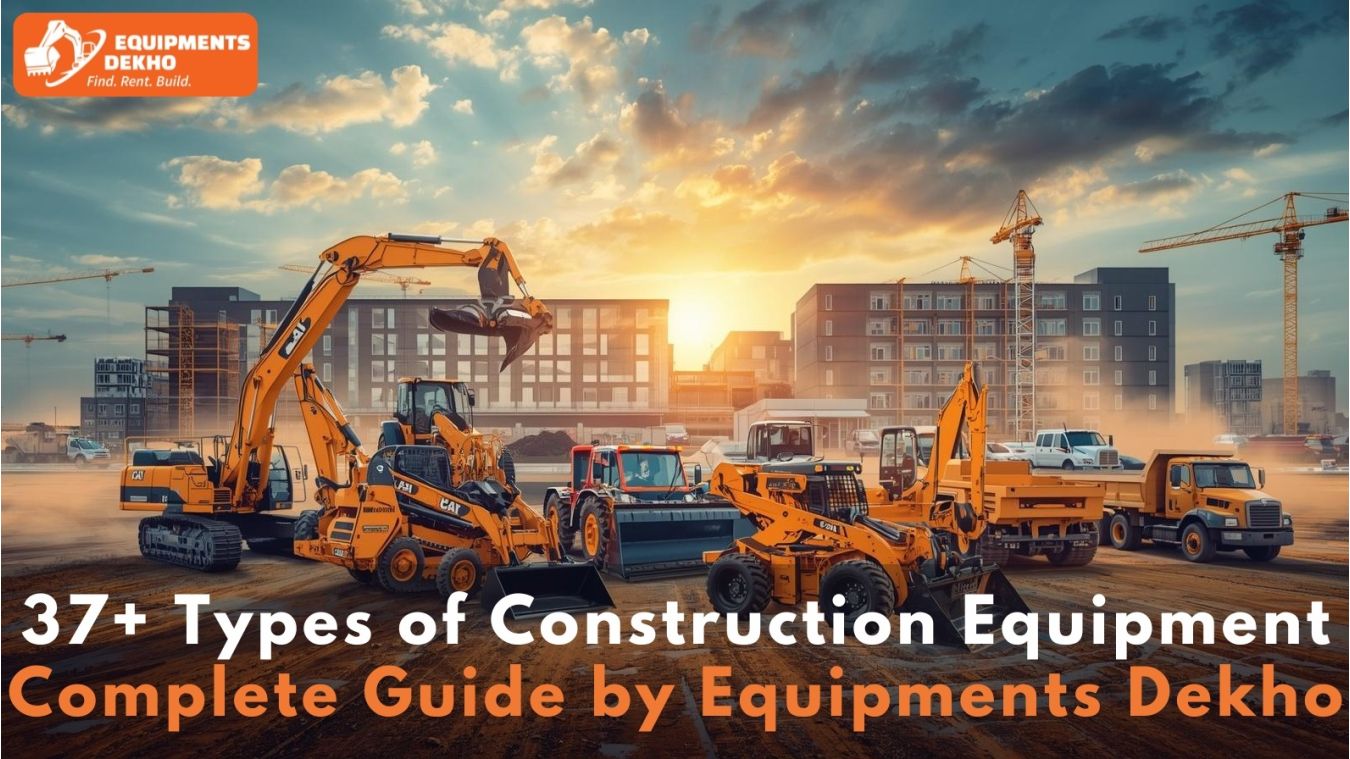
Construction projects—whether residential, commercial, roadwork, or industrial—depend heavily on the right machinery. From lifting heavy loads to digging foundations and finishing surfaces, each machine plays a critical role in project speed, safety, and efficiency.
In this comprehensive guide by Equipments Dekho, we break down the most common construction equipment names, their uses, and where they are typically deployed.
Whether you're a contractor, site supervisor, rental business, or simply exploring heavy machinery, this guide will help you understand the essentials.
Earthmoving machines are used to excavate, grade, and reshape land. These are the backbone of large-scale construction projects.
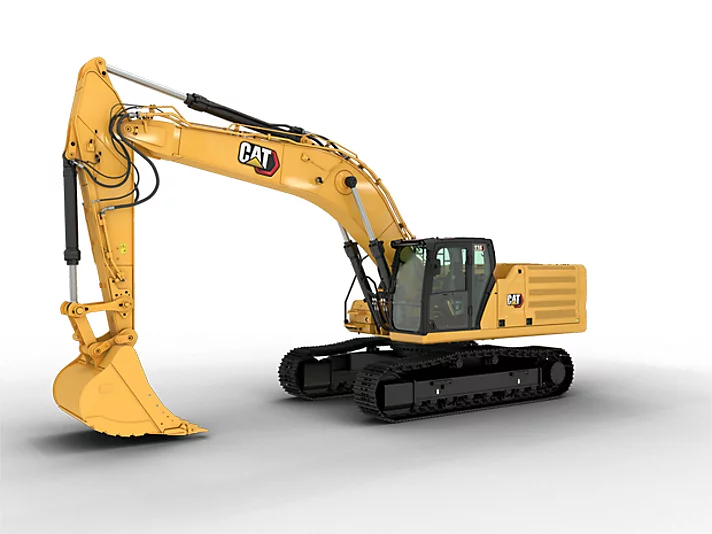
1. Excavator
Excavators are versatile heavy machines equipped with a boom, arm, and bucket. They are primarily used for digging trenches, foundations, and holes, but can also handle demolition and material handling with attachments.
Common Uses:
2. Backhoe Loader
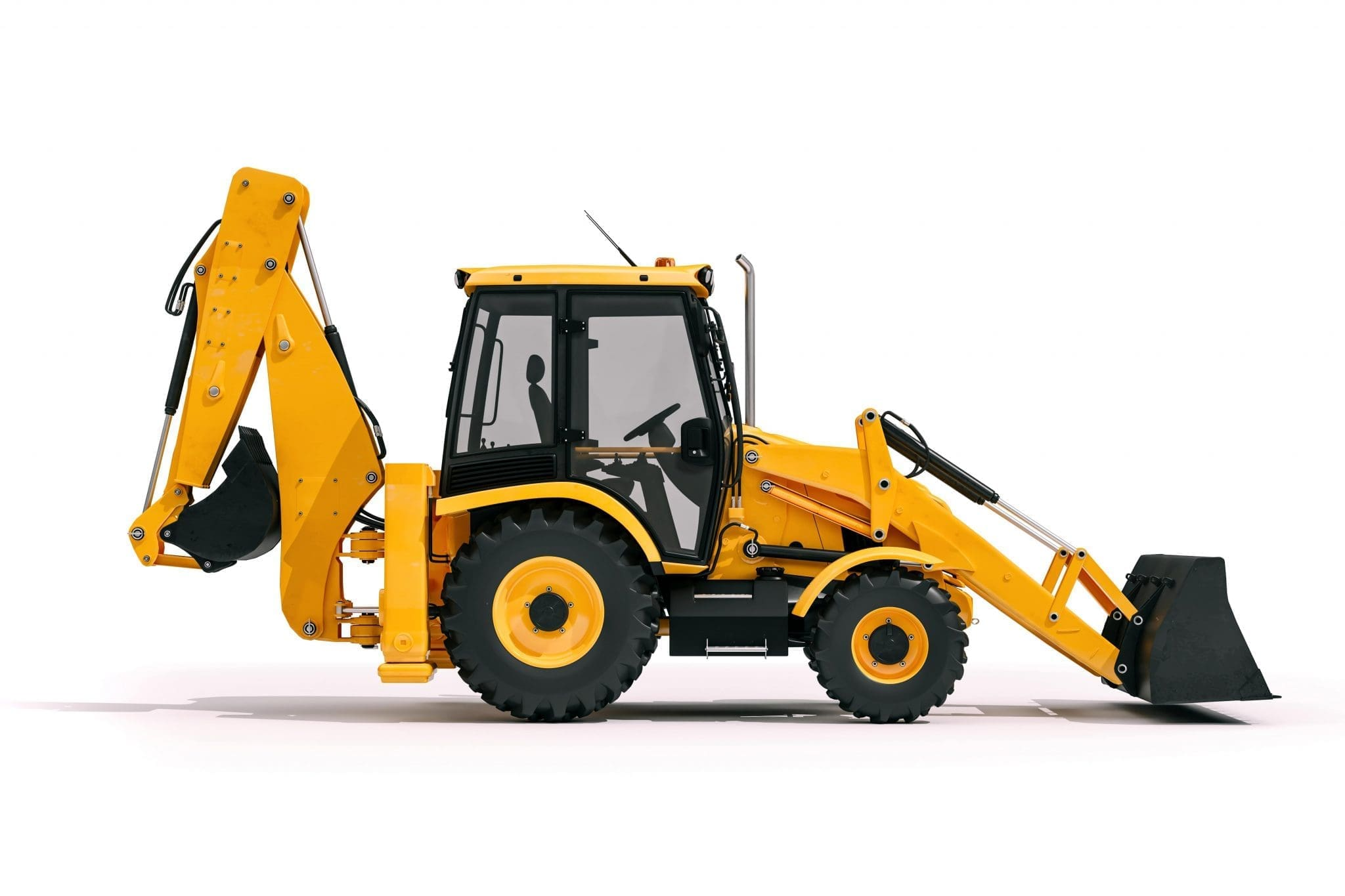
A backhoe loader combines a front loader bucket with a rear digging arm. It is widely used in urban construction due to its compact size and multifunctionality.
Common Uses:
3. Bulldozer
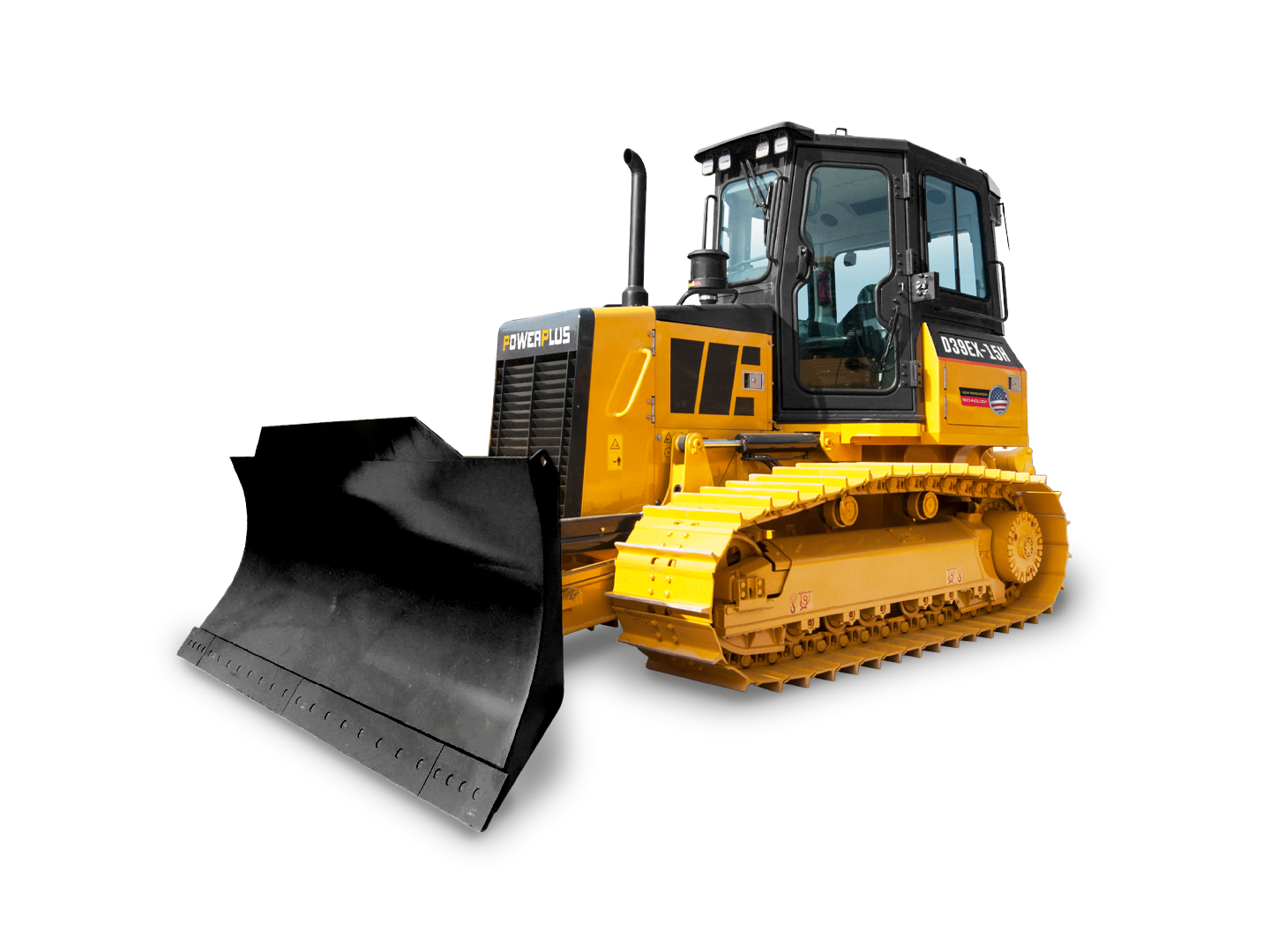
Bulldozers are powerful machines with a large front blade used to push soil, sand, rubble, or debris. They are ideal for site clearing and grading.
Common Uses:
4. Skid Steer Loader
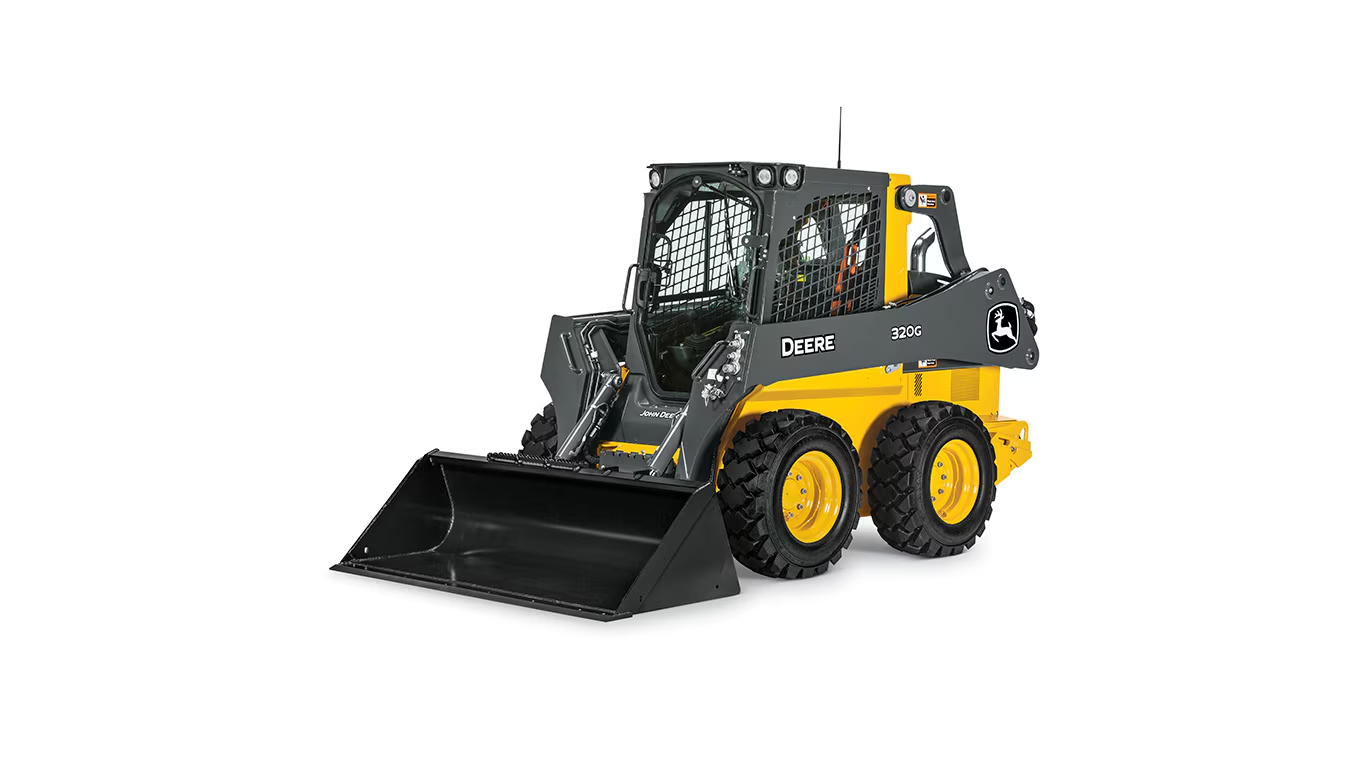
Compact and highly maneuverable, skid steers are used in tight spaces. They support multiple attachments like buckets, augers, and trenchers.
Common Uses:
5. Motor Grader
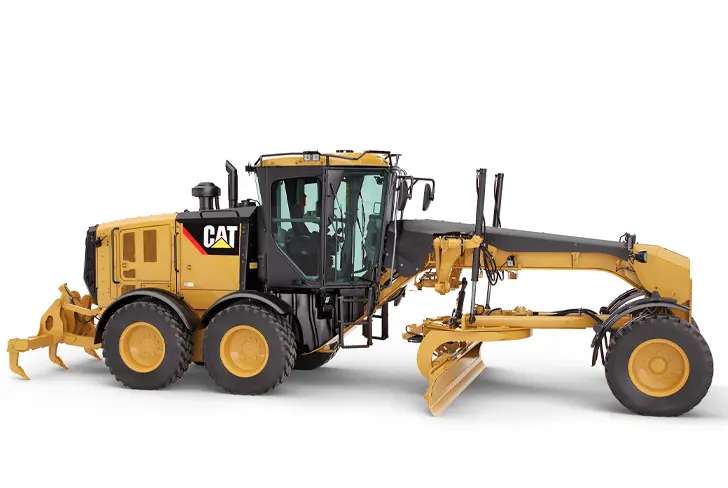
Motor graders are essential for creating smooth and flat surfaces, especially during road construction.
Common Uses:
6. Trenchers
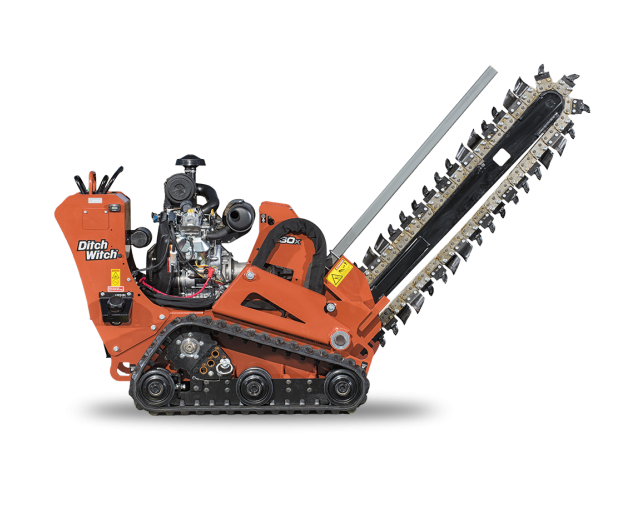
Trenchers are designed specifically to dig trenches for pipelines, cables, and drainage systems.
Common Uses:
These machines are used to lift, transport, and position heavy materials.
7. Forklift
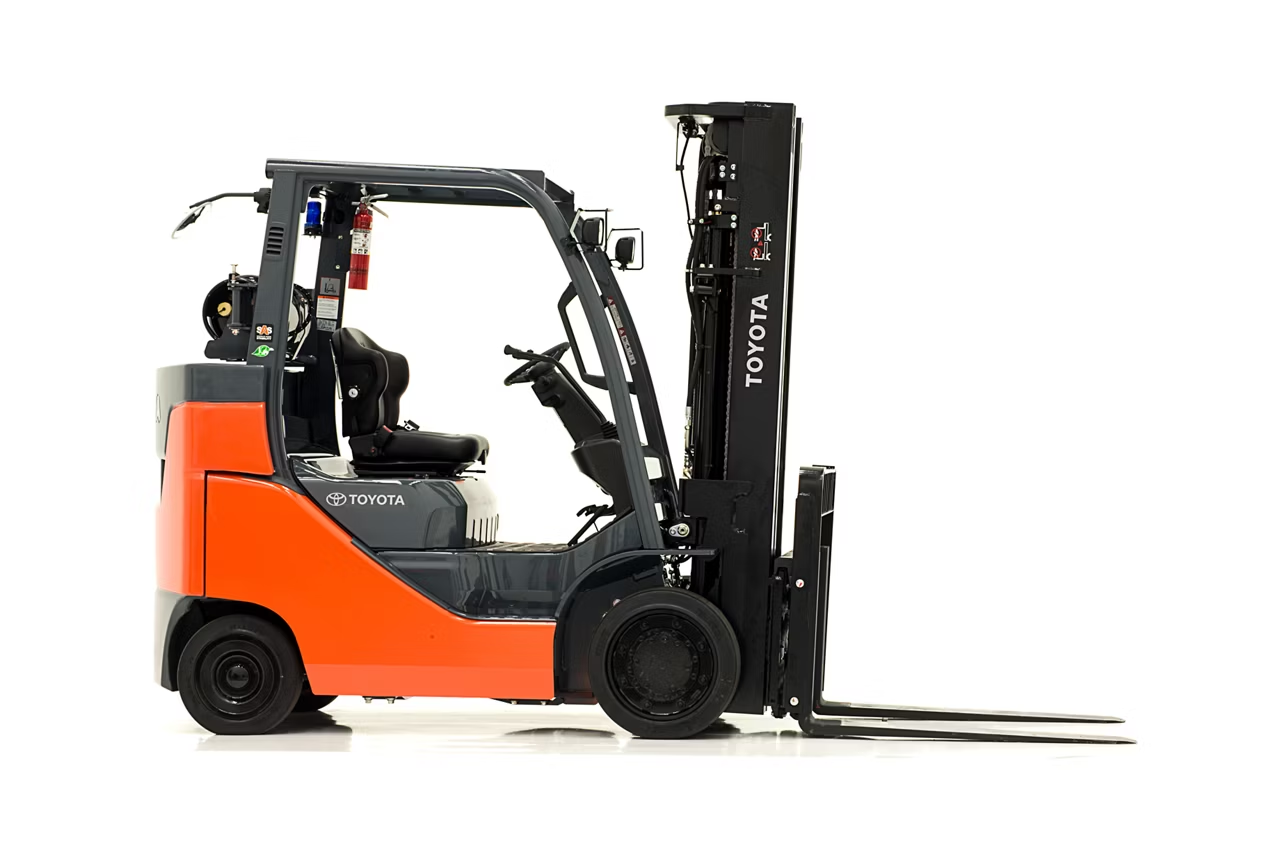
Common Uses:
8. Telehandler
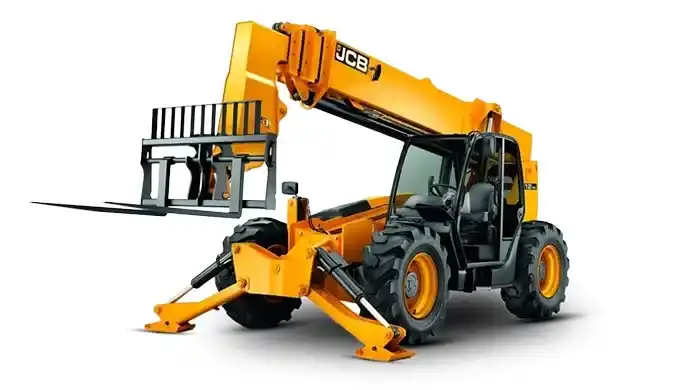
Common Uses:
9. Crane
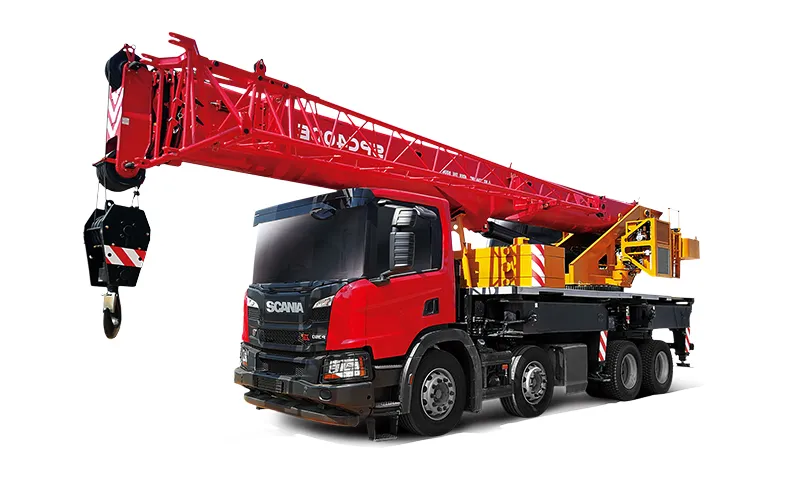
Cranes are essential for lifting and placing heavy materials such as steel beams and concrete blocks.
Types of Cranes:
10. Boom Lift
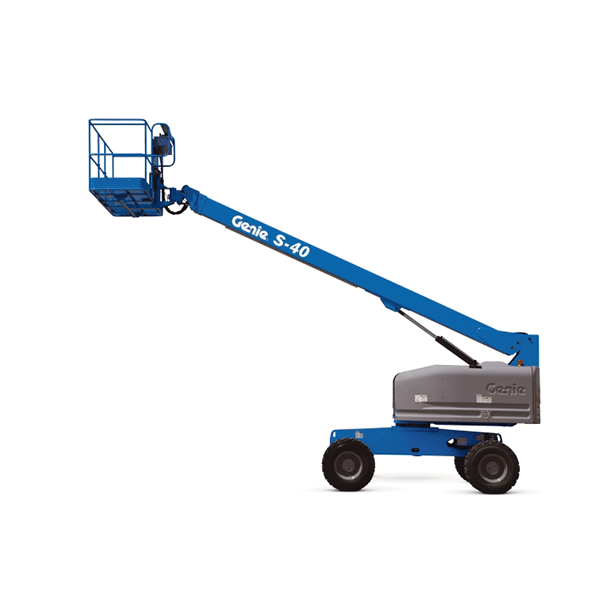
Boom lifts elevate workers to high or hard-to-reach areas using an extendable arm.
Common Uses:
11. Scissor Lift
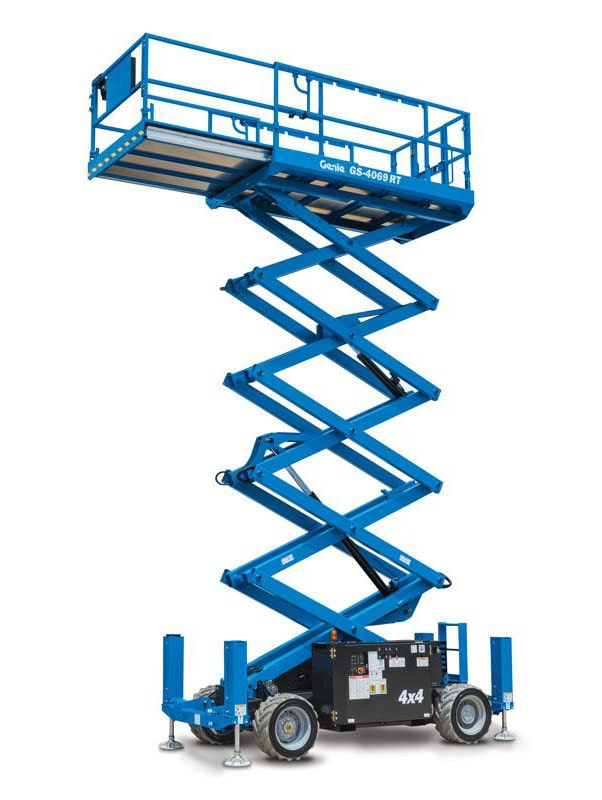
Common Uses:
These machines are critical in highway and road-building projects.
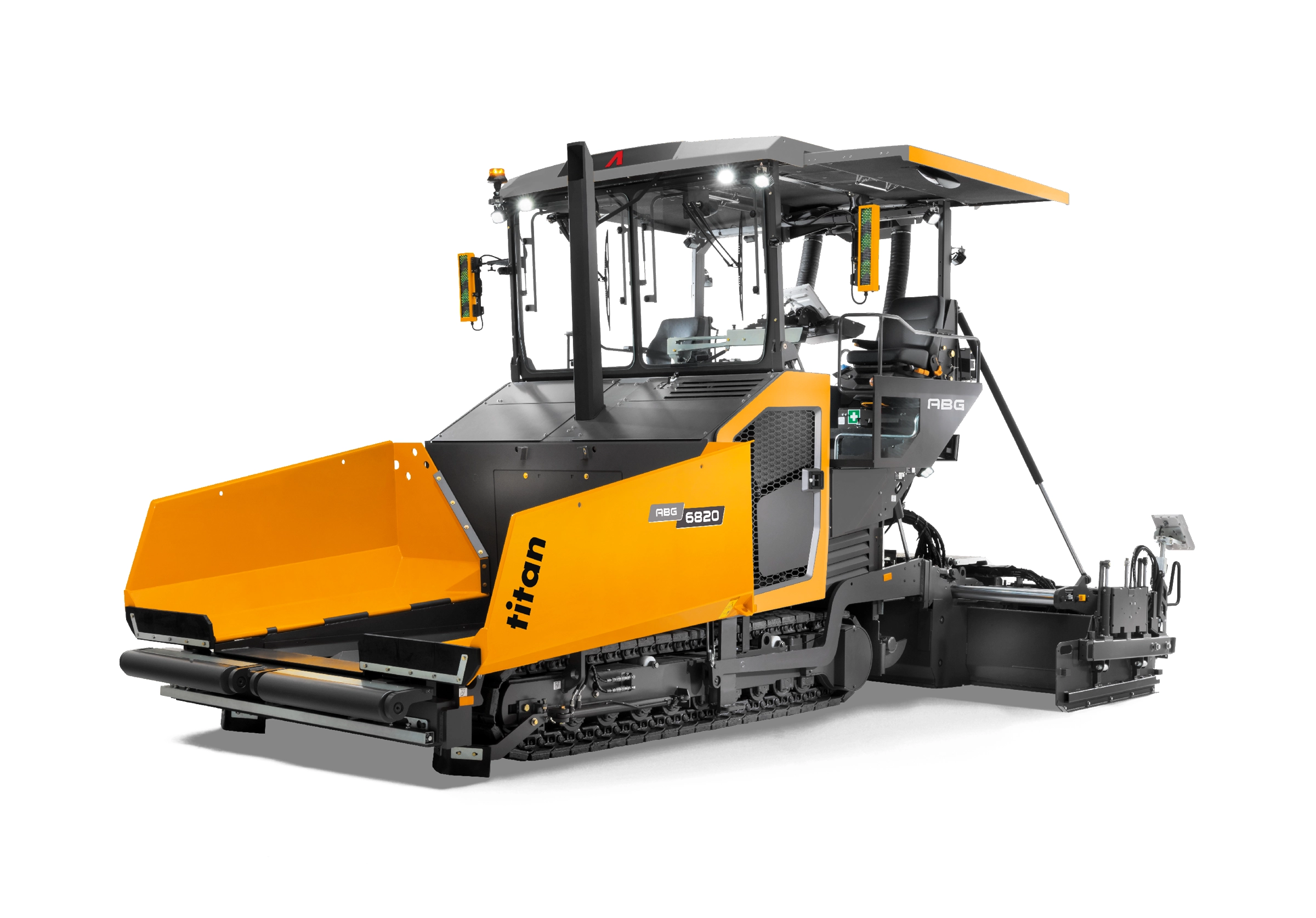
12. Asphalt Paver
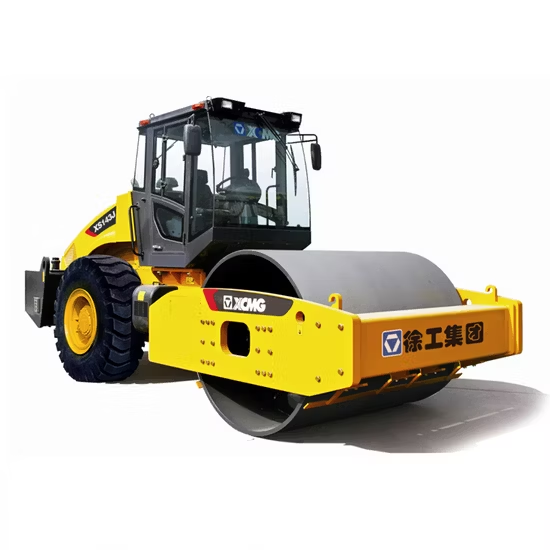
13. Road Roller (Compactor)
Types:
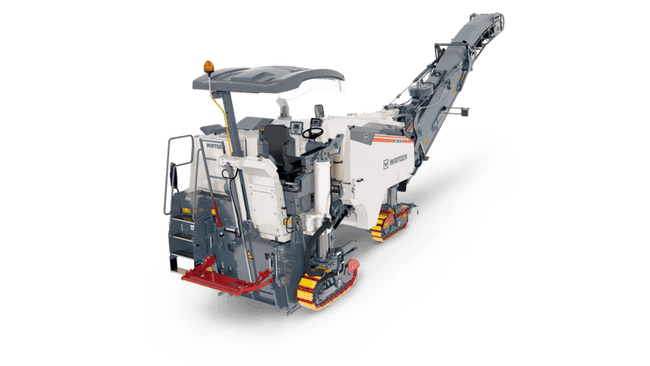
14. Cold Planer (Milling Machine)
15. Bitumen Sprayer
Used to spray bitumen evenly before asphalt laying.
Concrete work requires specialized machinery to mix, pour, and finish materials.
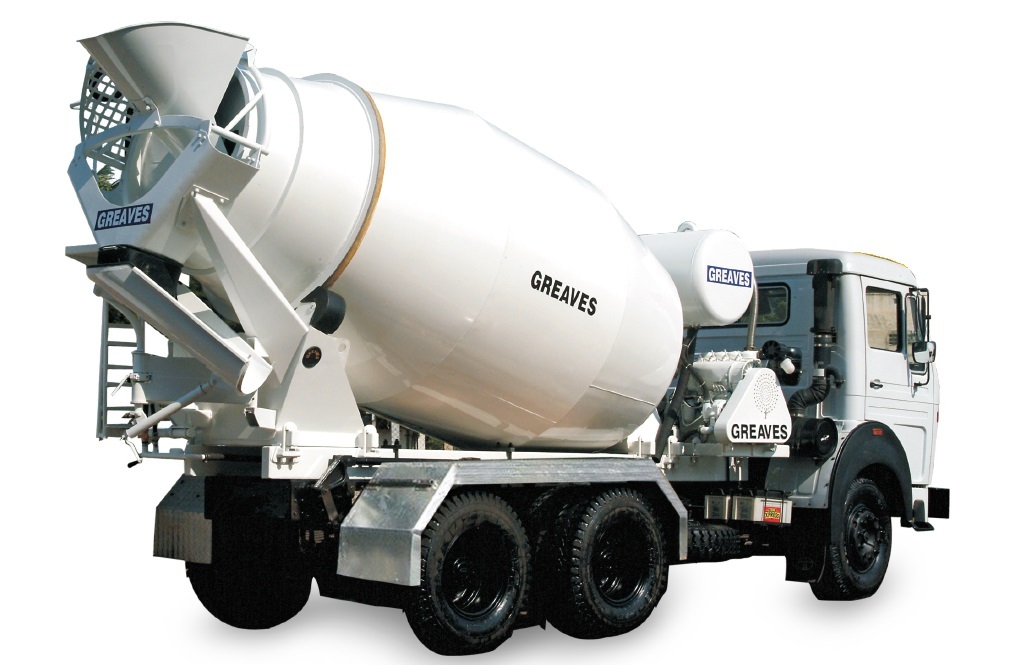
16. Concrete Mixer
17. Transit Mixer
A truck-mounted mixer that transports ready-mix concrete to sites.
18. Concrete Pump
Pumps transport liquid concrete through pipelines to high or distant locations.
19. Concrete Vibrator
Removes air pockets from freshly poured concrete to improve strength.
20. Power Trowel
Used to smooth and finish concrete surfaces.
21. Tower Crane
Used in high-rise construction for lifting heavy materials to great heights.
22. Crawler Crane
Mounted on tracks for stability on uneven terrain.
23. Mobile Crane
Wheeled crane that can travel between job sites easily.
24. Wheel Loader
Loads materials into trucks or moves debris around a site.
25. Dump Truck
Transports sand, gravel, demolition waste, and other materials.
26. Scraper
Cuts and collects soil from the ground and transports it.
27. Compactor
Used to compress soil before construction begins.
28. Pile Driving Machine
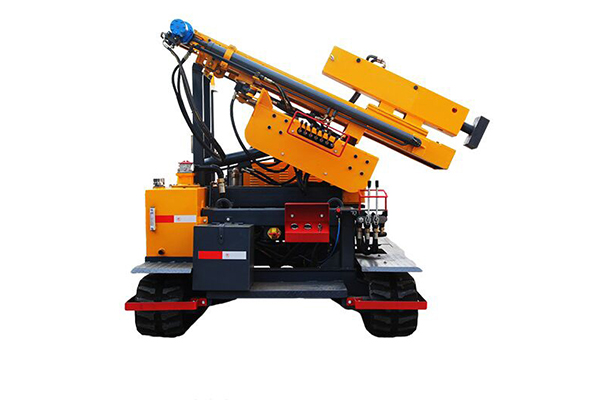
29. Drilling Rig
Used for boreholes, foundations, and geotechnical investigations.
30. Air Compressor
Provides compressed air to power pneumatic tools.
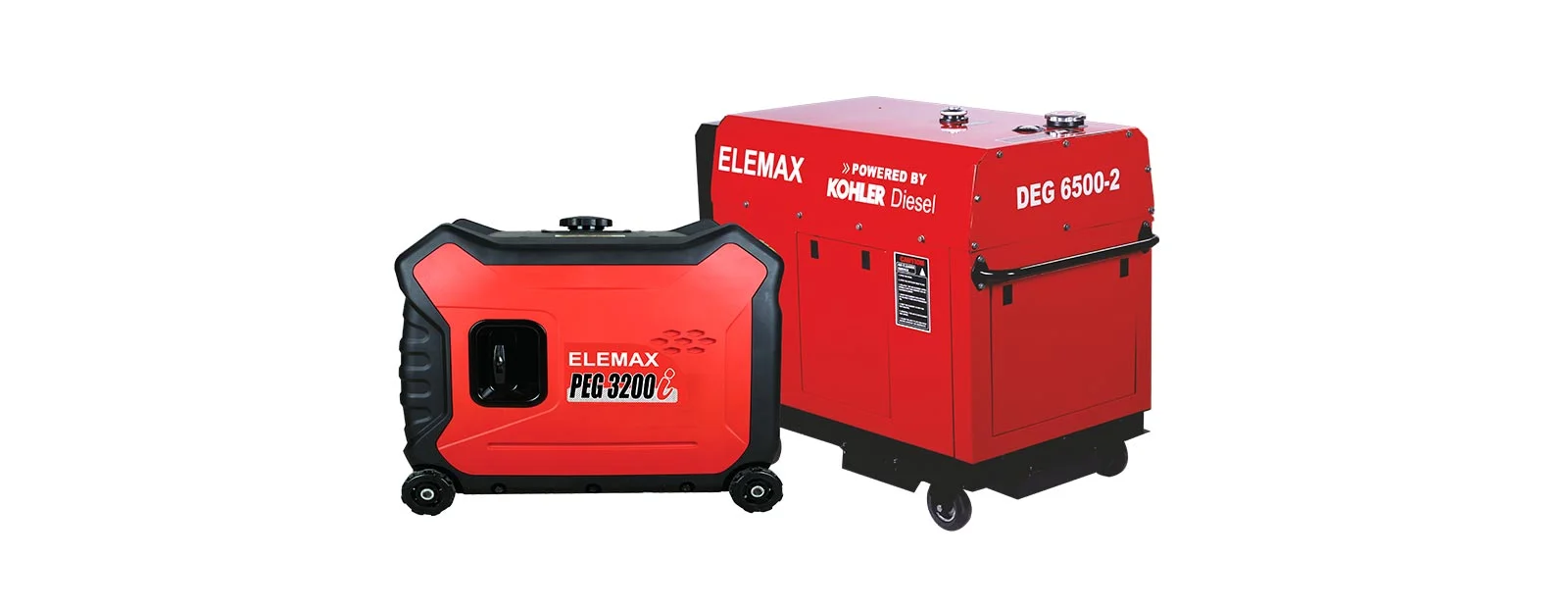
31. Generator
32. Water Tanker
Used for dust suppression and water supply.
33. Welding Machine
Used for joining steel structures.
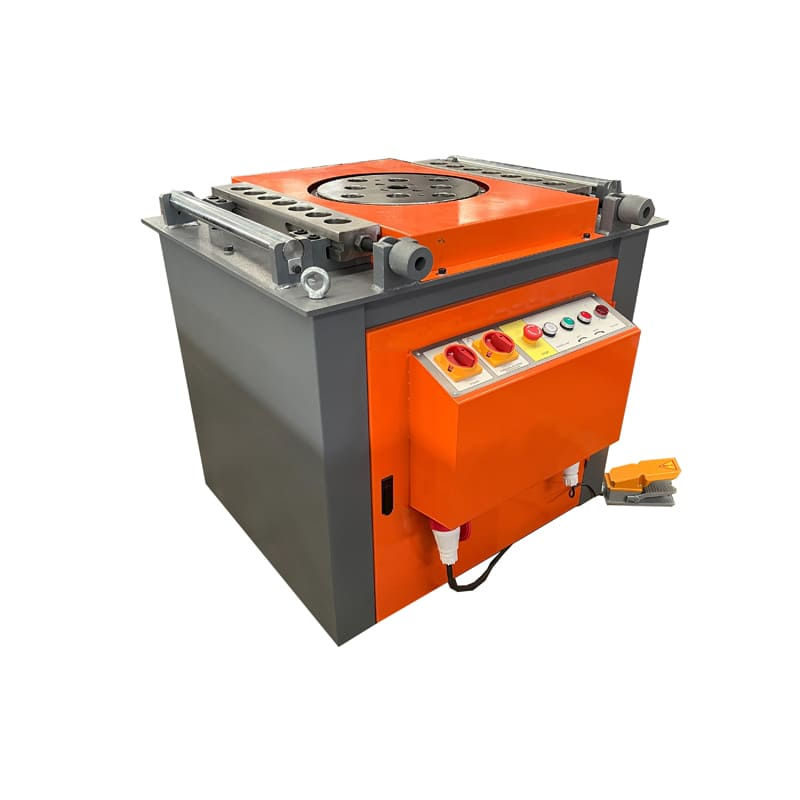
34. Rebar Bending Machine
35. Excavator Attachments
Attachments like breakers, augers, and grapples increase excavator functionality.
36. Hydraulic Hammer
Used in demolition to break concrete and rock.
37. Dragline Excavator
Large excavation machine used in mining and major civil works.
Selecting the correct equipment depends on:
For short-term projects, renting can reduce capital investment. For long-term infrastructure work, purchasing may be more cost-effective.
Modern machinery significantly:
✔ Reduces labor costs
✔ Improves project speed
✔ Enhances worker safety
✔ Increases precision
✔ Minimizes human error
With technological advancements such as GPS tracking, telematics, and automation, construction equipment continues to evolve rapidly.
At Equipment Dekho, we help contractors and businesses find the right construction machinery with transparent pricing, reliable suppliers, and detailed equipment specifications.
Whether you're looking to rent or purchase:
We connect you with verified sellers and rental providers to ensure smooth project execution.
Construction equipment forms the foundation of every successful project. Understanding machine names and their functions helps teams communicate clearly, select appropriate tools, and maintain efficiency on-site.
From excavators and bulldozers to cranes and compactors, each machine serves a unique purpose in shaping infrastructure around us.
If you're planning your next project, explore machinery options carefully—and let Equipment Dekho help you make the right choice.
1. What are the most common types of construction equipment?
The most common types include excavators, backhoe loaders, bulldozers, cranes, forklifts, motor graders, and road rollers.
2. What equipment is used in road construction?
Road construction typically uses motor graders, asphalt pavers, compactors, cold planers, and bitumen sprayers.
3. What is the difference between an excavator and a backhoe loader?
An excavator is larger and rotates 360 degrees for heavy digging, while a backhoe loader is smaller and combines a front loader with a rear digging arm.
4. Which construction equipment is best for small projects?
Skid steer loaders and backhoe loaders are ideal for small to medium-sized projects due to their versatility and compact size.
5. Should I rent or buy construction equipment?
Renting is cost-effective for short-term projects, while purchasing is better for long-term or frequent use.


Comments